Home / Products / Reactive Glaze

Reactive Glaze Stoneware Bangladesh: Design-Led Tableware for Boutique Hospitality and Chef-Driven Programs

Reactive glaze stoneware from Bangladesh is the design-led route for boutique hospitality and chef-driven programs that want visible surface movement rather than neutral whiteware uniformity. Eternal Hotel Supplies helps European buyers shortlist and manage production partners that can balance glaze character with controlled repeatability. We work as the buyer-side layer for supplier and manufacturer review, sample approval, acceptable-variation control, QC, production follow-up, and export coordination on design-led ranges where presentation and operational discipline both matter.

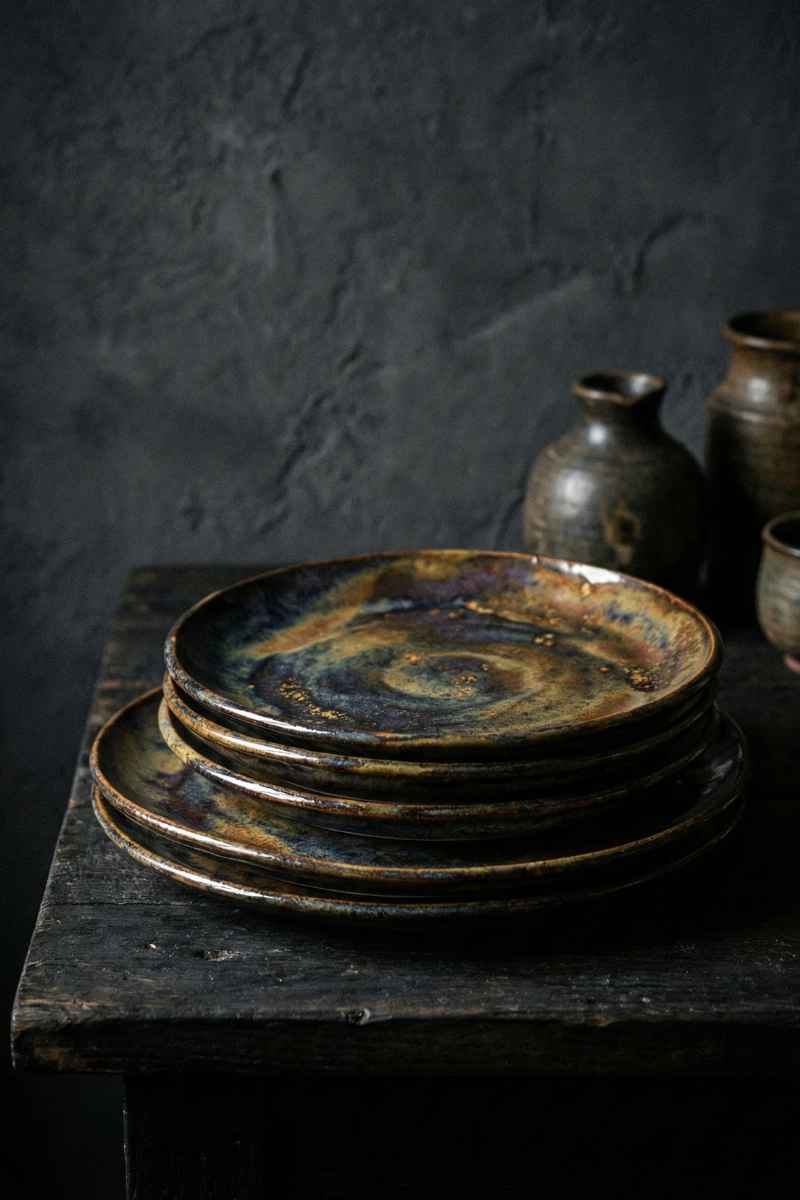
Bangladesh reactive glaze ceramics for boutique hospitality table settings
Overview

Reactive Glaze

  • MaterialStoneware and porcelain reactive systems
  • Best suited toBoutique and concept-driven hospitality
  • What to lock earlyReference panel based variation window
Products
Get Samples
Where it fits best

Where reactive glaze fits best

Reactive glaze programs are chosen for finish character first, but they only work commercially when that character is bounded by a clear approval window. This route suits boutique hospitality and concept-led operators that want a more individual surface story while still protecting repeat-order usability and shipment performance.

Boutique hotel restaurants

Fits programs where each setting needs a distinctive finish and the range is part of the venue visual identity.

Chef tasting and signature menu presentation

Useful when plating contrast, glaze depth, and surface texture are central to how the menu is presented.

Lifestyle hospitality groups and concept-led rollouts

Works for brands that want a recognisable handcrafted look across multiple venues without letting finish variation become uncontrolled.

What buyers compare

How buyers qualify reactive-glaze manufacturers without losing finish control

Reactive-glaze sourcing only works when the finish window is clear enough to stay commercially usable. Buyers need to know which manufacturers can hold the chosen surface story inside a realistic approval range and still support repeat orders, packing, and hospitality use.

Define the finish window before the shortlist gets too short

The buyer should be clear about which glaze movement is desirable, which variation is still acceptable, and which outcomes would make the range commercially unusable. That approval window is what allows the manufacturer comparison to stay disciplined instead of subjective.

Check whether the finish route matches the service environment

Some reactive looks work best in boutique or plating-led settings, while others need more caution around handling, marking, and replacement continuity. The useful shortlist is built around venue fit as much as visual appeal.

What to check when comparing reactive-glaze manufacturers in Bangladesh

Compare manufacturers on finish-window control, in-run grading discipline, packing protection, and whether repeat orders can stay recognisably within the approved family instead of drifting into a different collection.

Technical context

What Reactive Glaze Is and How It Works in Production

Reactive glaze refers to a glaze formulation that responds to the kiln atmosphere, temperature fluctuation, and chemical interaction during the firing process to produce visible colour variation, mottling, or surface movement across each individual piece. The variation is not a defect. It is the intended aesthetic. No two pieces in a reactive glaze program are identical, which is precisely the appeal for boutique hospitality and chef-led dining programs seeking a handmade or artisan surface character without moving into fully bespoke studio production costs.

The technical basis for the effect usually involves iron or mineral oxide additions to the glaze combined with deliberately varying kiln atmosphere and temperature profiles during the firing cycle. Factories that produce reactive glaze well have calibrated experience managing the degree of variation within an acceptable range, enough natural character to read as intentional, not so much variation that pieces look mismatched at a set table. That distinction is what separates a commercially usable reactive program from a sample set that looks beautiful in isolation but becomes hard to approve at scale.

Program fit

Where Reactive Glaze Fits Best

Reactive glaze is strongest in boutique hotel restaurants and signature dining rooms where the table setting is part of the guest experience and plain whiteware would look generic. It also suits chef-led independent restaurants where the plate is treated as part of the dish presentation rather than as a neutral service object. Premium casual dining concepts often use reactive glaze to create a contemporary, tactile surface without the cost of fully bespoke artisan ceramics, while hospitality distributors use it to build lifestyle tabletop ranges where surface character and design identity are central to the commercial proposition.

The material route behind these programs is usually broader than one finish alone. Buyers comparing stoneware programs Bangladesh are often deciding how much finish variation the concept can absorb while still looking intentional across a full table setting. That is why reactive glaze is less about raw visual novelty and more about whether the finish story matches the operating environment, the target customer, and the replenishment expectations of the account.

Qualification

What Buyers Need to Manage When Ordering Reactive Glaze

The core management challenge is defining and agreeing the acceptable range of variation before sampling begins. Without a defined range, the approval process becomes subjective and approval cycles extend without resolution. Before the first sample request, the buyer and the factory need to agree the base colour family, the typical range of mottling or movement expected within a production batch, the tolerance for the darkest and lightest pieces within a run, and whether certain extreme variations are rejected or treated as a natural feature.

Reference management across repeat orders is also critical. Reactive glaze programs need to retain fired reference pieces from the approved production run, not just a written specification, so later replenishment batches can be compared against a physical standard rather than an abstract description. Exact piece-for-piece duplication is not the goal. The goal is commercial consistency within an agreed finish family so the range still reads as one collection when it returns to the table months later.

Buyers usually connect that finish-window discipline to the factory and QC route before bulk approval. A wider stoneware factory Bangladesh review helps test whether the supplier has genuine reactive experience, while staged reactive glaze QC management keeps the approved finish window visible during production and pre-shipment grading. Without those controls, a reactive-glaze range can move from “artisan” to “inconsistent” very quickly.

Buying notes

MaterialStoneware and porcelain reactive systems
Opening quantity planningOpening quantities depend on how many finish references, shapes, and approval rounds are needed to define a workable variation window.
Production timingProduction timing depends on finish approval, variation tolerance, and how carefully the export packing plan has to be matched to the selected surfaces.
Finish controlReference panel based variation window
Quality checkpointsQuality checkpoints are usually built around approved finish references, in-run visual grading, and pre-shipment review of packed goods.
Best suited toBoutique and concept-driven hospitality
What needs to hold up in use

What buyers need this material to do

The key controls here are acceptable variation, replacement continuity inside a reactive range, and packing discipline for surfaces that can mark or chip more easily in transit.

Layered glaze depth for signature presentation

Adds visual merchandising value for operators using tableware to support menu storytelling, photography, and premium positioning.

Acceptable-variation control before bulk approval

Keeps reactive beauty inside a commercially usable window so repeat shipments do not feel like a completely different collection.

Program notes for repeat orders and seasonal refreshes

Useful for buyers who want to reorder signature finishes or adapt them across menu or venue updates.

Protective packing for delicate glaze surfaces

Important because textured and reactive finishes can mark more easily in transit if cartons and dividers are not planned properly.

Frequently Asked Questions

Is reactive glaze stoneware suitable for commercial dishwashers?

Reactive glaze stoneware produced for commercial hospitality programs is formulated and fired to withstand commercial dishwasher cycles. Buyers should confirm the specific glaze formulation and firing standard with the factory before committing to a program.

Can reactive glaze be matched on repeat orders?

Yes, within a defined range. Reactive glaze programs need approved reference samples from the first production run retained by both buyer and factory so that subsequent batches can be compared against a physical standard. Exact piece-by-piece matching is not achievable — the variation is intentional — but batch-level consistency within an agreed range is manageable.

What level of variation should buyers expect?

Reactive glaze has intentional variation, but we define acceptable ranges with signed reference sets before production.

Is reactive glaze suitable for high-volume service?

Yes for many operations, provided the selected body and finish are aligned with service intensity requirements.

What should buyers review before approving a reactive-glaze manufacturer?

They should review the approved finish window, the manufacturer’s in-run grading discipline, the expected service intensity, and how the packing plan will protect textured or reactive surfaces in export transit.