
8 min
Read Time
Focused commercial brief
Bangladesh stoneware is relevant to boutique hospitality not because it mimics plain whiteware cheaply, but because the right factories can produce reactive glaze and design-led finishes with enough control to feel intentional on the table. Buyers succeed when they manage variation as part of the specification rather than treating it as an afterthought.
8 min
Read Time
Focused commercial brief
5
Sections
Structured deep-dive blocks
15 March 2026
Updated
Latest content refresh
Product Deep Dives | 8 min read | Updated 15 March 2026
Reactive glaze stoneware from Bangladesh for boutique hotel restaurants and chef-led dining programs. Production quality, design variability management, and how to qualify the right Bangladesh stoneware factory.
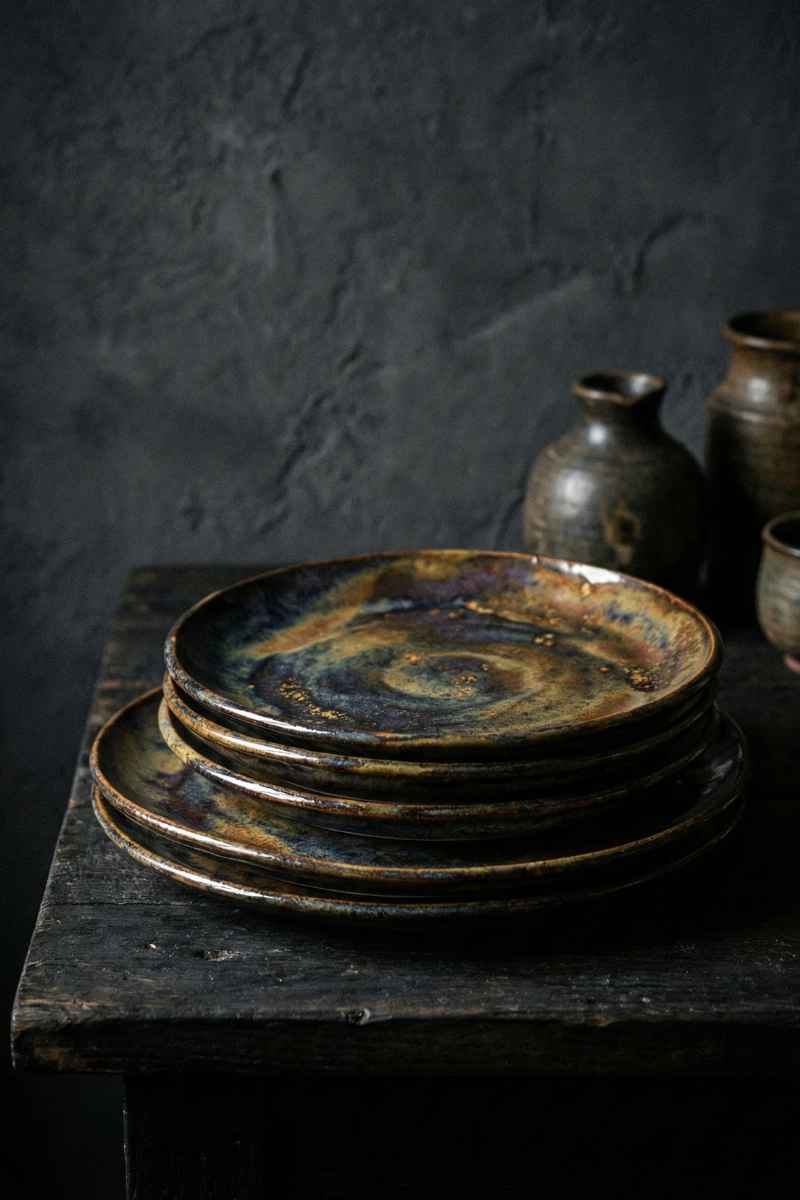
Reactive glaze stoneware is not simply stoneware with a different colour. It is a finish route in which glaze chemistry, kiln atmosphere, and firing profile interact to create movement, mottling, tonal pooling, or surface variation across each individual piece. That variation is the point. Boutique hotels and chef-led dining concepts use reactive glaze because they want the table setting to feel more tactile, more expressive, and less standardised than plain hospitality whiteware. When the plate is part of the dining experience, the controlled irregularity of reactive glaze becomes commercially attractive rather than risky.
This is why reactive glaze is especially relevant to boutique hospitality. A signature restaurant in a lifestyle hotel, a resort dining room with a strong sense of place, or a chef-led concept that wants every dish to feel carefully staged will often prefer stoneware with surface character over bright uniform porcelain. The decision is not about better or worse material in abstract terms. It is about matching material character to brand positioning.
Bangladesh can supply stoneware and reactive glaze for export, but the factory pool is narrower than the country's mainstream porcelain base. That is an important starting assumption for buyers. They should not expect the same scale, shape breadth, or interchangeability that they might find in standard whiteware sourcing. Stoneware sits inside a more specialist production segment, with certain factories better suited to design-led finishes, effect glazes, and smaller or more curated hospitality assortments. This narrower pool is not a problem if the buyer recognises it early and shortlists accordingly.
The geography of production also matters. Gazipur remains the primary industrial anchor for export-facing ceramics overall, but buyers exploring stoneware should also be aware of specialist capability beyond the most mainstream porcelain route, including smaller-scale or design-oriented producers in the wider Bangladesh ceramic landscape. The commercial point is that stoneware sourcing needs a tighter filter than porcelain sourcing. It is a specialist program type, not a default category.
The biggest management mistake buyers make with reactive glaze is approving a single beautiful sample and assuming production variation will somehow stay inside the same visual mood automatically. That is not how reactive glaze works. Buyers need to define the acceptable range of variation before the first sample is approved. That means agreeing the base colour family, how much pooling or movement is acceptable, how dark or light outliers can be, and which types of extreme variation should be rejected rather than celebrated as natural character.
The cleanest approval method is a sample panel, not a hero piece. A buyer should review a spread that shows the variation window being approved, then retain representative references from that spread for later comparison. This becomes even more important on repeat orders. Reactive glaze cannot be matched piece by piece, but it can be kept commercially consistent at batch level when both buyer and factory compare future production against actual fired references instead of a vague memory of the first order.
A factory that is excellent at plain porcelain is not automatically excellent at reactive glaze stoneware. The qualification logic is different. Buyers should ask whether the factory has real production experience with the finish style being proposed, whether it can explain its variation-management approach clearly, and whether it packs the ware appropriately for textured or sensitive surfaces. Reactive glaze programs also demand more confidence in kiln control, because the intended effect depends on how the firing process is managed rather than on a simple one-colour finish.
This is why stoneware factory review should include reference examples from live commercial runs, not only studio samples or photography. Buyers should also confirm whether the factory is comfortable with buyer-appointed QC and whether it can hold core shape dimensions stable even while the glaze effect varies naturally. In boutique hospitality, the plate is allowed to feel crafted, but the program still has to be operationally controlled.
Stoneware is strongest where the table setting is expected to add character to the hospitality concept. That includes signature restaurants inside boutique city hotels, chef-driven dining rooms in resorts, premium-casual food venues where the brand leans contemporary and tactile, and lifestyle distributor assortments aimed at design-conscious hospitality customers. In these settings, reactive glaze can help the plate feel like part of the experience rather than a neutral service tool.
It is less appropriate where absolute uniformity, broad SKU depth, or ultra-simple replenishment is the main priority. In those cases, plain porcelain usually remains the safer material route. The commercial strength of Bangladesh stoneware is therefore not that it replaces porcelain everywhere. It is that it offers a credible, export-capable option for boutique hospitality programs that need a more expressive visual language without moving into fully artisanal, one-off ceramics.
Yes. Bangladesh stoneware is well suited to boutique hotel restaurants and design-led hospitality programs when the buyer works with a factory that genuinely has experience in reactive glaze or other specialist finishes and manages the variation range properly.
Reactive glaze is intentionally variable, but the variation should sit within an agreed range. Buyers should approve a panel of fired references that shows the acceptable window for tone, pooling, and surface movement rather than expecting identical piece-by-piece matching.
Gazipur remains the main export-oriented ceramic zone overall, while specialist stoneware capability can also sit in smaller or mixed-production clusters within the wider Bangladesh ceramic base. Buyers should shortlist by actual finish capability rather than assuming every export ceramic factory offers the same stoneware strength.